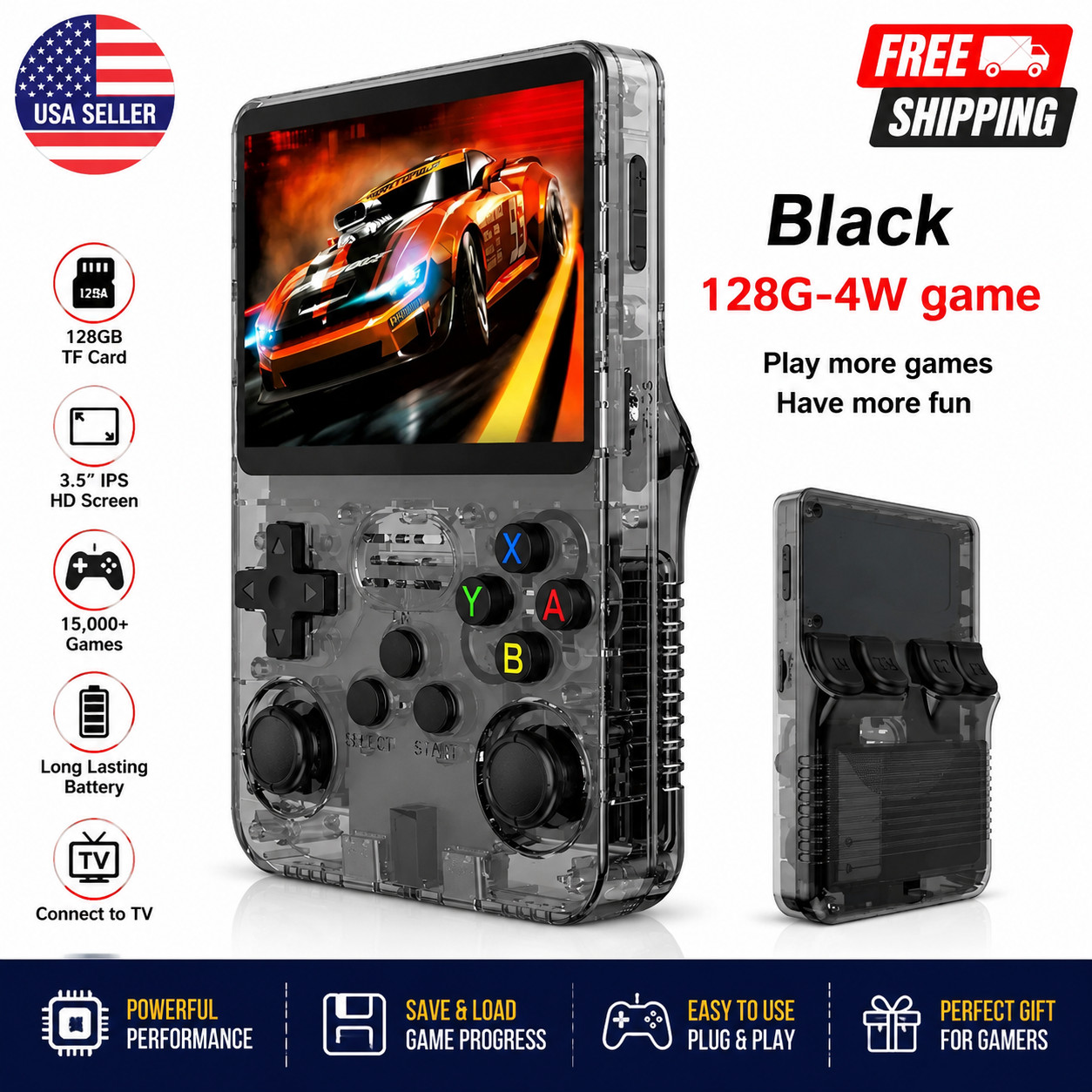
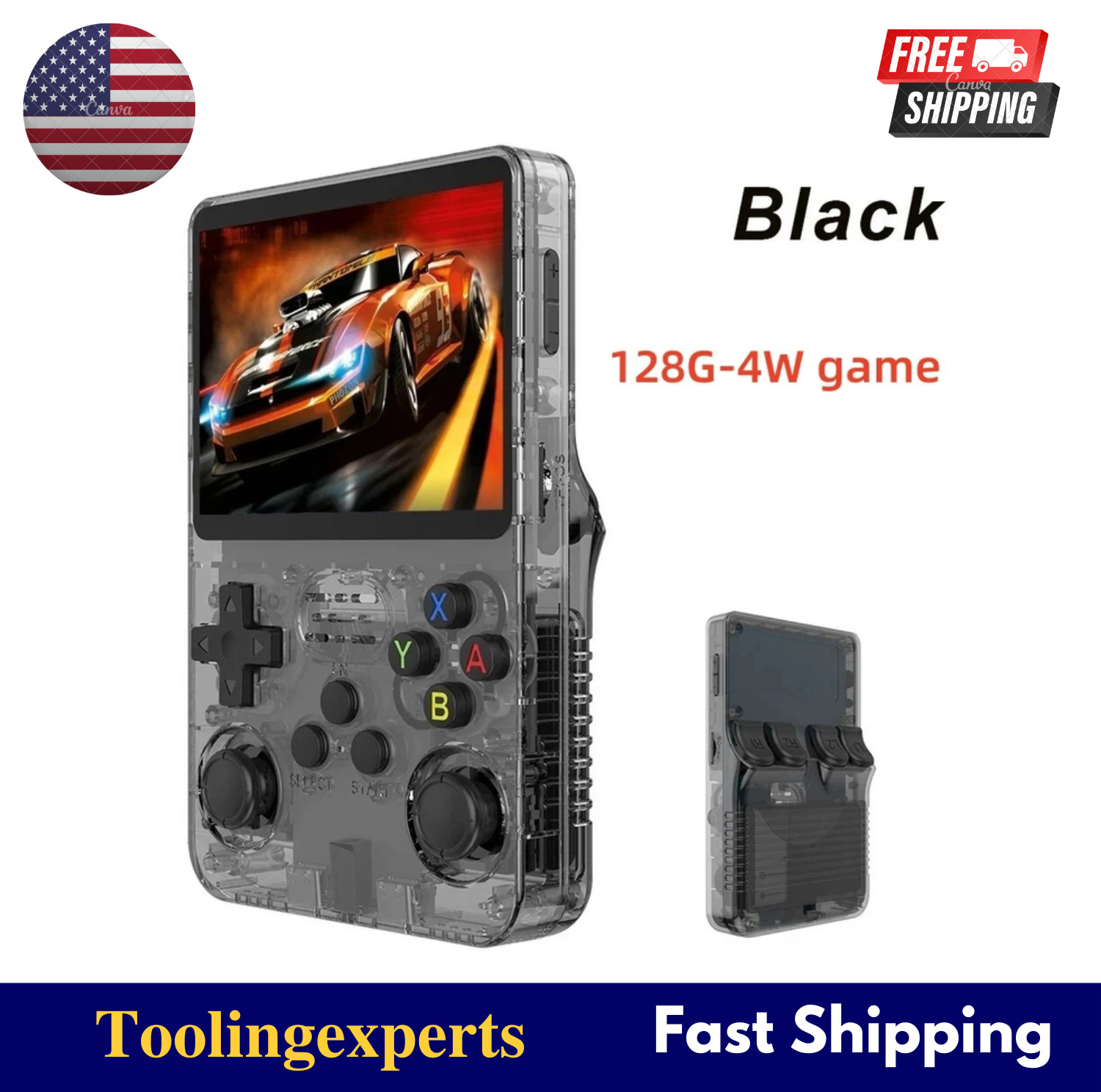
When you're shopping for retro legacy video games, you often see the same console sold under multiple listings. Right now, the R36S Retro Handheld Game Console appears twice with the same title and nearly the same listed details-but the listed prices differ. This kind of head-to-head comes down to one practical question: does the more expensive listing add anything that the cheaper one doesn't?
The answer is no. The lower-priced listing is the pick for most shoppers because the two listings share the same product name and the same visible details. The only meaningful difference is the price you'll pay.
| Listing | Listed Price | Price Bar |
|---|---|---|
| R36S Retro Handheld | USD 33.99 | |
| R36S Retro Handheld | USD 29.99 |
Stripping away the price, the listings match on the core details: the same R36S model, the same listed condition, and the same color. The rest of the product description is identical. This means the gaming experience you get from either listing looks the same on paper.
When listed specifications match, the decision boils down to how you want to spend your money. The lower-priced listing delivers the same console for a smaller outlay. The higher-priced listing doesn't add any visible feature or accessory that would justify its higher price. This is a classic case where identical specs make price the only differentiator. Unless you have a reason to prefer the higher-priced page, the lower-priced listing is the one to cart. The extra $4 goes toward the same listed console.
Higher-Priced R36S Listing
This listing carries the R36S name with a 128GB console claim and a built-in game library, which means you can start playing retro favorites without downloads. It also describes a 3.5-inch IPS display and an open-source system for customization, plus USB connectivity in the attributes. If you want the full R36S experience and are okay with paying more than the other listing in this comparison, this version remains a valid option. The trade-off is that the listed price sits above the matching alternative, and the product details don't show any extra content or accessory to go with the higher price. For budget-minded shoppers, that price gap is the factor that makes this listing harder to choose.
Lower-Priced R36S Listing
On the lower-priced listing, you get the same R36S 128GB console with the same 3.5-inch IPS display, open-source system, USB connectivity, and built-in game library description. The reason to choose it is clear: it's the lower listed price for the same set of visible specs. The limitation to keep in mind is that the savings don't come with a different bundle or extra games-the listing matches the higher-priced version's title and details. If you want to keep your spending down without giving up any of the listed features, this is the listing to go with.
Bottom Line
For most shoppers buying a retro handheld, the lower-priced listing is the sensible choice because it offers the same console and listed features for less. If you're buying your first retro handheld, the lower-priced listing leaves more room in your budget for other accessories. If you're already leaning toward the higher-priced page, switching to the cheaper one won't change what you get on paper. Choose the lower-priced listing if you want the lowest listed price. Choose the higher-priced listing only if you have a personal preference for that listing, understanding that you'll pay more with no visible feature upgrade.