Choosing between two sim racing steering wheels & bases means deciding whether to pay for the R12's more explicitly described control setup or keep the listed spend lower with the R9 V3. Both product titles identify direct-drive wheel bases, but the R12 names an encoder and adjustable rotation while the R9 V3 puts its lower price at the center of the choice. The useful decision is whether those extra R12 specifications matter to your rig or whether price should lead.
Quick verdict
The Moza R12 is the stronger fit for a shopper choosing by named force-feedback controls and adjustment range. The Moza R9 V3 is the more sensible pick when the lower listed price and a simpler specification profile matter most. The $125 spread is meaningful, so this is a choice between paying for more explicitly stated controls and keeping the purchase lower.
Price and attribute comparison
| Product | Listed price | Platform and key details | Condition |
|---|---|---|---|
| Moza Racing R12 Direct Drive Wheelbase 12nm FFB | $385 | PC; 12 Nm; 15-bit encoder | Used |
| Moza Racing R9 V3 Direct Drive Wheel Base | $260 | PC; wired connectivity; metal material | Open box |
Where each product wins
R12 wins on named control detail
The R12 wins for shoppers who want an encoder specification to be part of the purchase decision. Its 15-bit encoder is named alongside its direct-drive wheelbase, giving a concrete technical detail to weigh before choosing. The model also carries a more fully described force-feedback setup, while its tradeoff is the higher listed price and used condition.
R9 V3 wins on price
R9 V3 is $125 below the R12, making price its clearest advantage. That difference matters when the main goal is getting a PC-oriented wheel base while keeping more of the budget available for the rest of a sim-racing setup. Its wired connectivity and metal material are also explicitly named, although neither detail establishes a performance advantage over the R12.
Product notes
Moza Racing R12 Direct Drive Wheelbase 12nm FFB
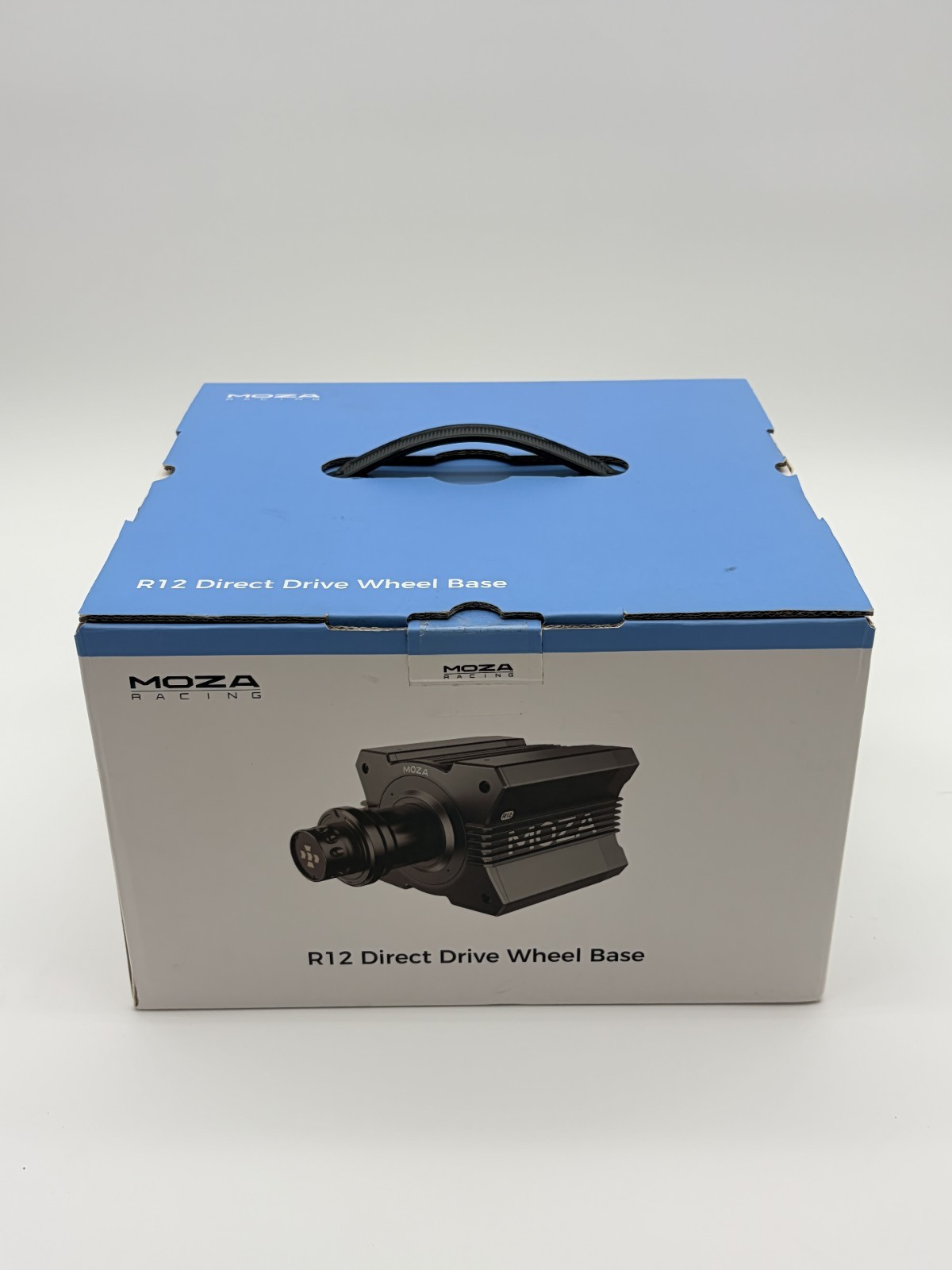
R12 suits shoppers who want a more fully specified force-feedback setup. Its stated USB 1000 Hz refresh and 90°-2700° adjustable steering rotation give concrete controls to weigh in a sim-racing build. The model is identified as R12 V1, which limits it for anyone specifically seeking the R12 V2. The top-end listed price in this pairing is the other practical tradeoff. Pick the R12 when adjustment range and communication detail matter more than selecting the lower-priced base. That makes the R12 a focused choice for shoppers who can use those named controls, rather than a choice based on the model number alone.
Moza Racing R9 V3 Direct Drive Wheel Base
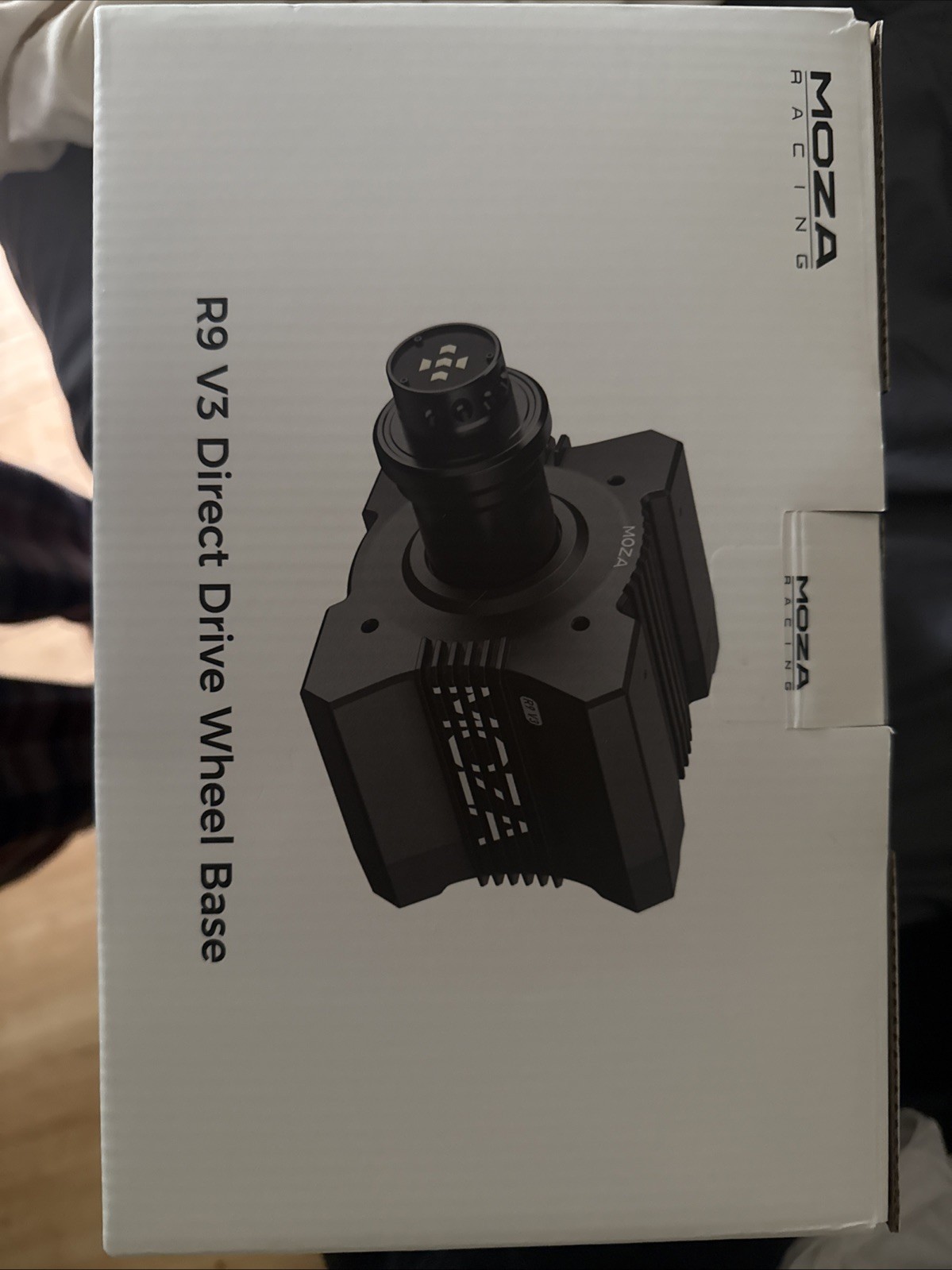
R9 V3 suits shoppers who want the lower-price route and a simple bundle of connection hardware. Its listed details include wired connectivity and metal material, while it comes with all the cables. Those are concrete reasons to consider it for a practical sim-racing setup. The main limitation is the wheel compatibility issue associated with the purchase: the racing wheel mentioned was not compatible with the base. That makes the intended wheel pairing a central part of the decision. R9 V3 is also marked open box, so condition remains part of the tradeoff. Choose it when the lower listed price and cable inclusion fit your setup, and when the described wheel mismatch does not define the purchase.
Final choice by use case
- Choose the Moza R12 when named control detail is the deciding factor. Its 12 Nm torque specification, encoder information, and adjustable rotation give the decision several concrete reference points.
- Choose the Moza R9 V3 when the lower price is more important than the R12's additional stated controls. The cable inclusion and wired format add practical detail to the choice.
- For condition-sensitive shoppers, the R12 is listed as used and the R9 V3 as open box. Treat that distinction separately from the price and feature comparison.
For most shoppers, the final call is straightforward: select R12 for its more detailed control specification, or select R9 V3 if the $125 difference is the deciding factor.