Choosing sim racing pedals often comes down to whether a load-cell brake and adjustability justify the upgrade-and whether two nearly identical choices actually differ. Here, both Logitech RS Pedals entries carry the same product name and core identity. The useful takeaway is straightforward: there is no clear hardware winner, so focus on which description better matches the setup details or braking features you care about.
Quick verdict
There is no meaningful 1v1 hardware winner here. Both entries identify a 75 kg load cell brake, while the matching UPC and MPN point to the same product identity. The first description gives more detail about setup and included hardware; the second is shorter and centers on adjustable bearings and immersive driving. For a sim brake pedal upgrade, call this a tie and use the clearer description as the deciding factor.
Price and attribute comparison
| Comparison | Setup-focused RS Pedals | Brake-focused RS Pedals |
|---|---|---|
| Listed price | USD 159.99 | USD 159.99 |
| Brake | 75 kg load cell | 75 kg load cell |
| Description emphasis | Hall Effect accelerator, adjustable spacing, anti-slip stability | Adjustable bearings, realistic and immersive driving |
| Product identifiers | MPN 941-000306; UPC 097855205803 | MPN 941-000306; UPC 097855205803 |
| Warranty - Parts | 2 years | 2 years |
Where each RS Pedals entry wins
- Setup detail: The first entry is more useful for shoppers who want the pedal package explained in practical terms, including spacing, stability, and mounting-related hardware.
- Concise brake focus: The second entry is easier to scan if the main decision is a 75 kg load cell brake paired with adjustable bearings and an immersive driving description.
These are decision-making differences in how the product is described, not confirmed performance differences. The same title, identifiers, price, and core brake specification keep the comparison essentially even.
Product notes
Logitech RS Pedals - setup-focused description
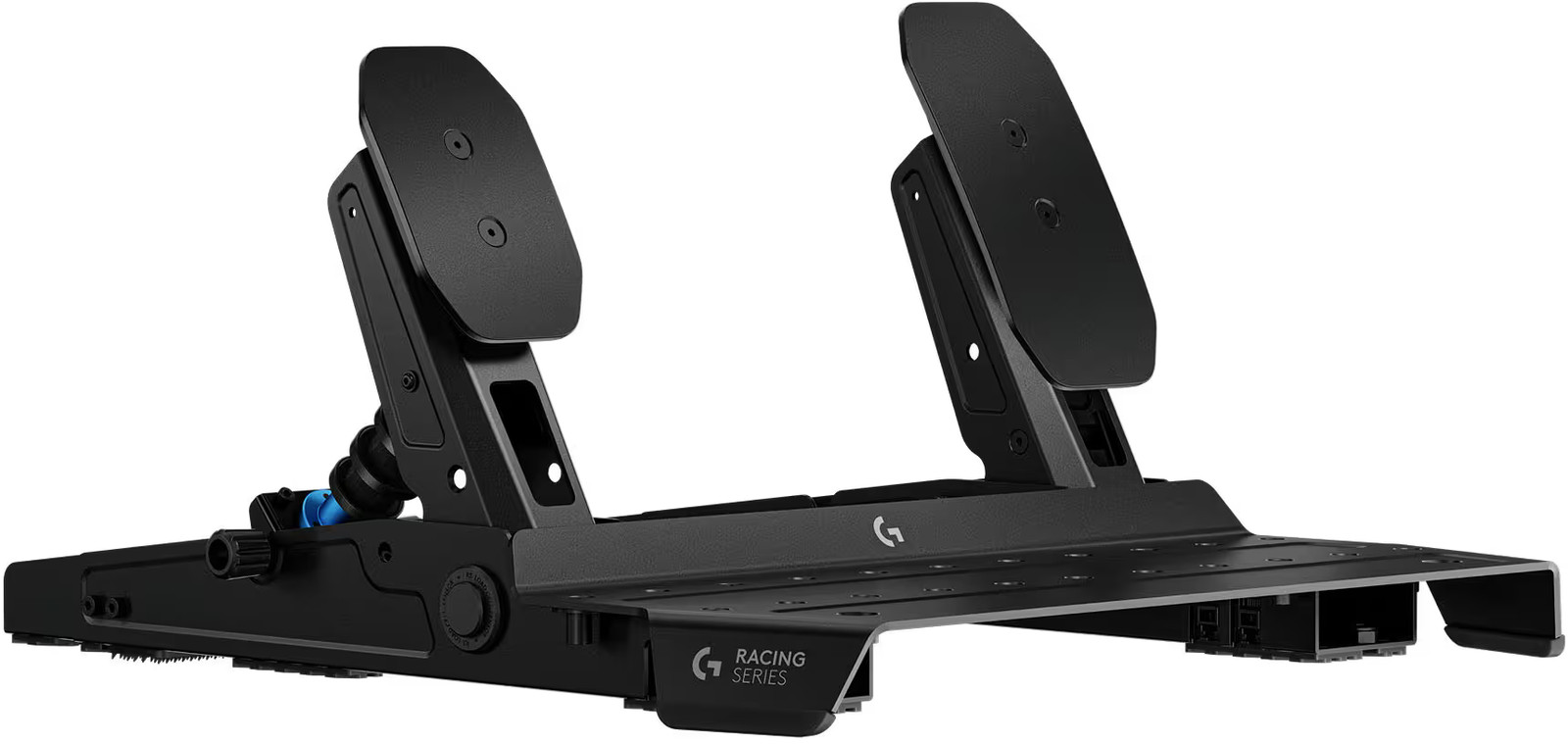
The setup-focused RS Pedals entry is the easier choice for a shopper who wants to understand how the sim racing pedals fit into a rig before deciding. Its description names a Hall Effect accelerator, adjustable spacing, durable steel construction, anti-slip stability, and a package that includes a heel plate, brake spacers, carpet grips, mounting spacers, bolts, nuts, and a hex key. That detail gives a concrete reason to favor it when setup context matters. The limitation is the tied comparison: it has no price edge over the matching RS Pedals entry, and the identical product identity leaves no clear hardware distinction to justify choosing it on performance grounds. Choose it for the clearer setup description, not an assumed spec advantage.
Logitech RS Pedals - brake-focused description
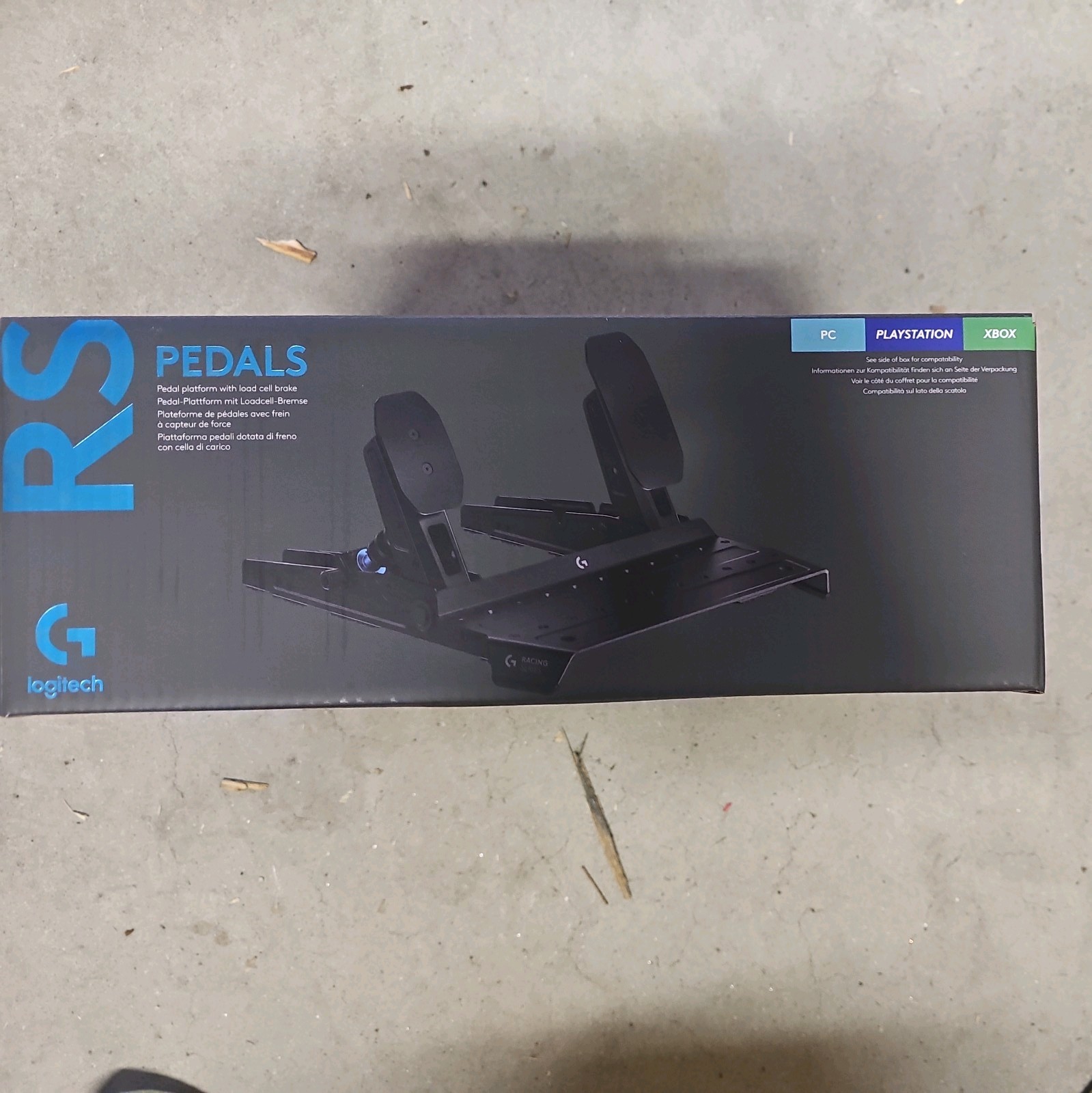
The brake-focused RS Pedals entry makes sense for shoppers who want a short, direct explanation of the sim brake pedal. Its description highlights a 75 kg load cell brake, adjustable bearings, and realistic, immersive driving, so the main decision message is easy to scan. That is its concrete reason to choose: the wording puts braking and adjustability at center stage. Its limitation is that the same title, UPC, MPN, and listed amount appear for the competing entry, so it does not establish a separate pedal configuration or a price advantage. Treat the concise description as a presentation difference, not proof of better control, stronger construction, or broader compatibility.
Final choice by use case
- Choose the setup-focused RS Pedals entry if your priority is understanding pedal adjustment and included mounting-related hardware, because its description explicitly names adjustable spacing, anti-slip stability, and rig-mount spacers.
- Choose the brake-focused RS Pedals entry if you prefer a concise description centered on adjustable bearings and immersive driving.
- Choose either on price: the spread is $0.00, so neither wins financially.
For a racing pedal upgrade, the setup-focused entry is the clearer overall shopping choice-not because it is proven to perform better, but because it gives more concrete context. The identical name and identifiers mean the second entry is not a meaningfully different hardware tier.